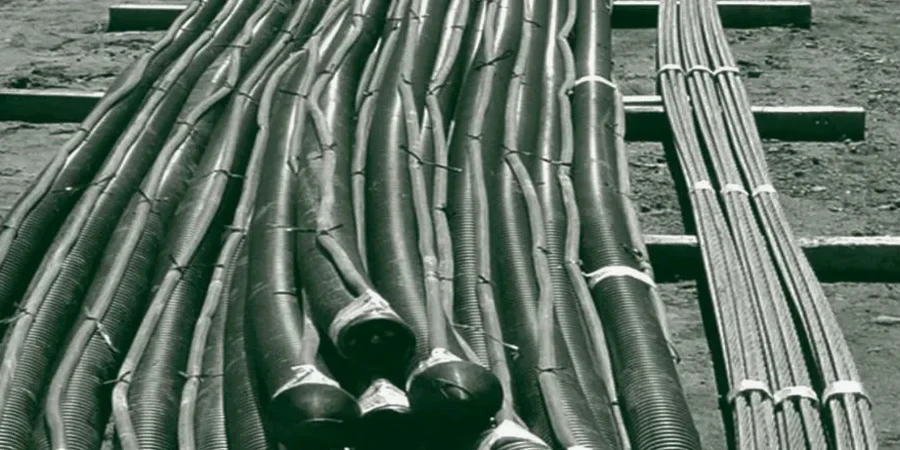
A lot of Richmond Hill projects hit a wall—literally—when excavation shoring outruns the available space for traditional bracing. Tiebacks become the practical answer. On sites near Yonge Street or along the Oak Ridges Moraine, the soil profile often alternates between compact till and silty sand lenses, which changes how an anchor bond zone behaves. We design active and passive anchors to meet CSA A23.3 requirements, factoring in the local groundwater table that shifts seasonally with snowmelt. A site on Leslie Street might need a different unbonded length than one further north near Lake Wilcox. We routinely pair anchor design with slope stability analysis when the excavation face is close to an existing creek or ravine, because Richmond Hill's topography doesn't forgive shortcuts. For deeper cuts in overconsolidated till, combining anchors with a retaining wall system often reduces deflection and keeps adjacent pavement intact.
An anchor is only as reliable as the ground it bonds to—Richmond Hill's variable till demands site-specific pull-out verification, not generic assumptions.