GEOTECHNICALENGINEERING
RICHMOND HILL
HomeInvestigationExploratory test pit

Exploratory Test Pit Services in Richmond Hill

Evidence-based design. Reliable delivery.

LEARN MORE

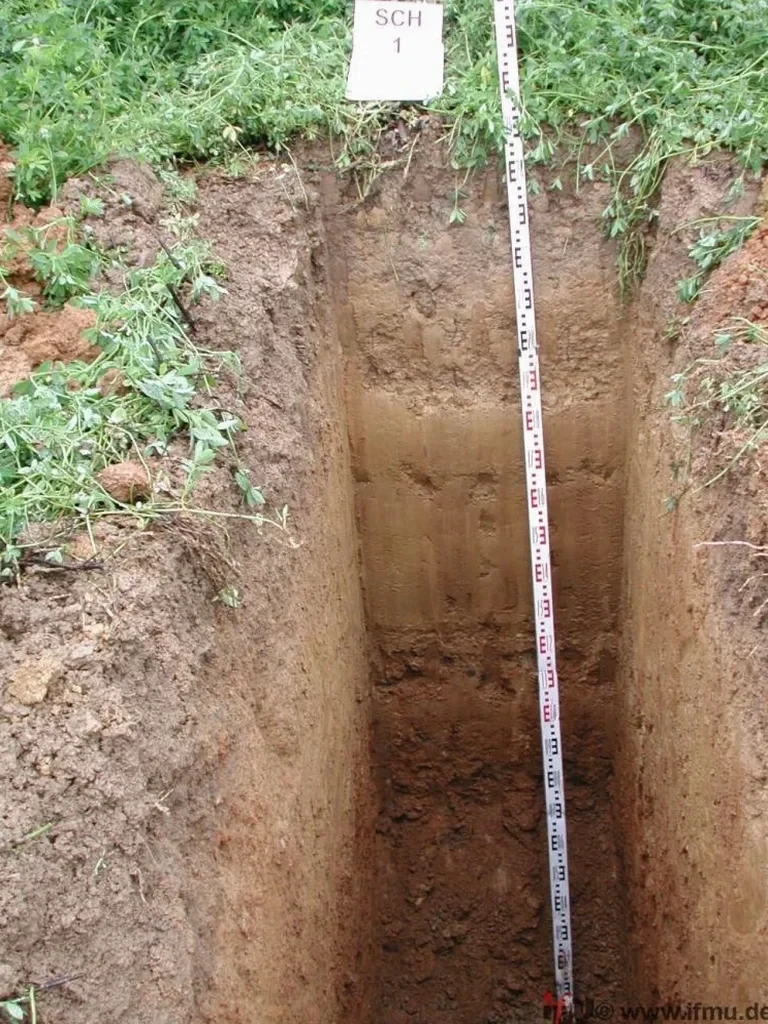
Richmond Hill’s development, particularly the post-1970s expansion north of Highway 7, has consistently pushed residential and commercial construction onto the complex glacial deposits of the Oak Ridges Moraine. The population, now exceeding 200,000, has driven a demand for precise geotechnical data, especially where the variable till and interbedded sand layers create unpredictable bearing surfaces. In our experience, the most reliable way to visually confirm stratigraphy before a shovel hits the ground is through a well-executed exploratory test pit. Unlike strictly remote sensing methods, an exploratory test pit allows our technical team to directly observe soil structure, moisture conditions, and potential cobble content—critical factors in a municipality where a single lot can transition from dense clayey silt to loose sand within meters. For deeper stratigraphic confirmation, we often supplement findings with a CPT test to produce continuous soil behavior profiles where the test pit base is exceeded.

A direct look at the soil profile through an exploratory test pit often reveals critical details—like thin silt seams or perched groundwater—that other subsurface investigation methods can easily miss.
Our service areas

Methodology and scope

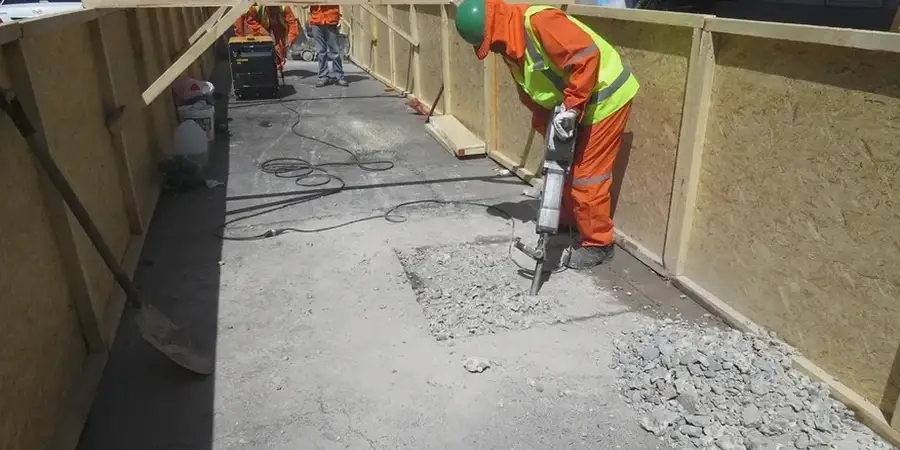
What we frequently observe in older neighborhoods like Mill Pond is the presence of undocumented fill overlying the native Halton Till, a condition that standard borehole logs can sometimes smear or misinterpret. A single exploratory test pit, typically excavated to a depth of 1.5 to 4 meters, immediately clarifies this interface. Our trained operators follow strict CSA A23.3 guidelines regarding trench safety, using hydraulic shoring or properly benched slopes, ensuring that the inspection is both thorough and secure. The process involves logging the exposed faces, collecting representative bulk samples for laboratory analysis, and performing in-situ density assessments. When the project calls for understanding the dynamic response of these granular interbeds, the visual data from the pit provides a crucial calibration point for geophysical surveys like MASW, which maps shear wave velocity profiles across a wider area without excavation.
Exploratory Test Pit Services in Richmond Hill
Technical reference — Richmond Hill

Local geotechnical context

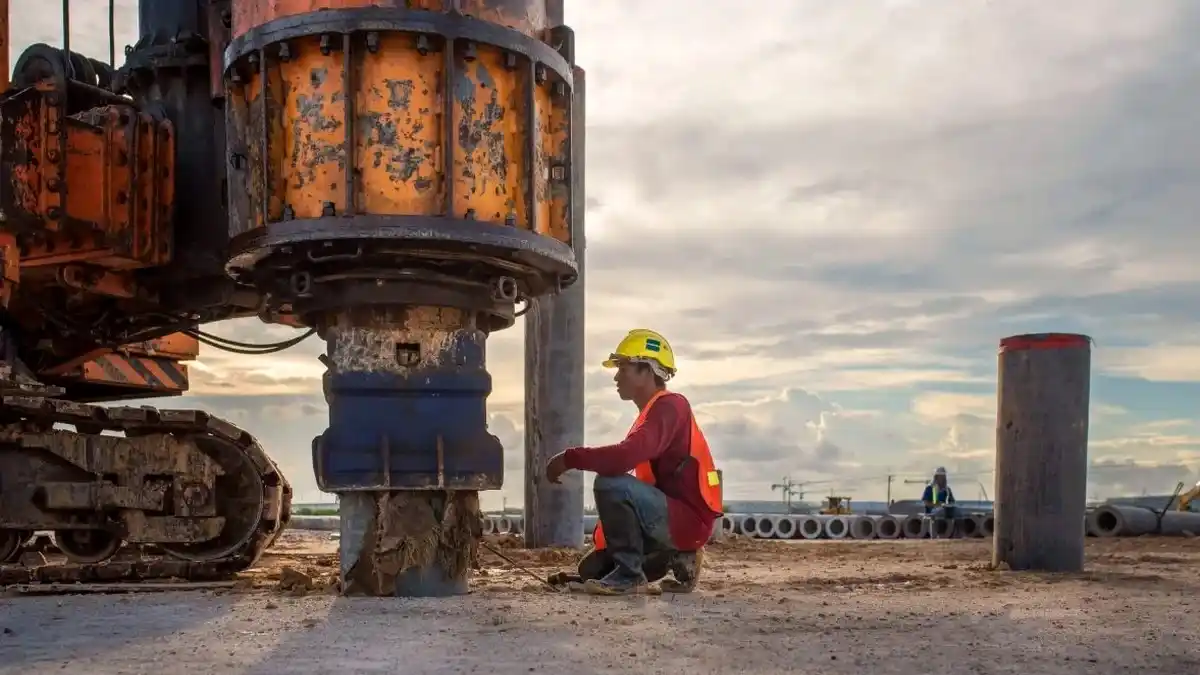
A mid-rise condominium project along Yonge Street encountered a significant delay when auger refusal suggested bedrock at 3 meters, only for a subsequent exploratory test pit to reveal a dense concentration of glacial boulders—not the shale bedrock anticipated. Without the visual confirmation from the test pit, the design could have proceeded on a false assumption of shallow refusal, leading to an inadequate foundation scheme. This scenario underscores the risk of relying solely on probe-based data in Richmond Hill’s morainal terrain. An exploratory test pit mitigates the hazard of misidentifying obstructions, verifying whether refusal is true bedrock or merely a large erratic. Overlooking this step can trigger costly change orders if pile driving equipment encounters unexpected resistance, or conversely, if excavation support systems are designed for a rock profile that does not actually exist at the anticipated depth.

Need a geotechnical assessment?

Reply within 24h.

Email: info@geotechnicalengineering.co

Applicable standards

NBCC 2020 (National Building Code of Canada), CSA A23.3 (Design of Concrete Structures – excavation safety), ASTM D2488 (Visual-Manual Soil Description), OHSA Regulation 213/91 (Construction Projects – trenching requirements)

Reference parameters

ParameterTypical value
Typical Excavation Depth1.5 – 4.0 m
Common Soil Types EncounteredHalton Till, glaciolacustrine silts, sandy interbeds
Applicable Safety StandardCSA A23.3 / OHSA Regulation 213/91
In-Situ TestingSand cone density, hand penetrometer, vane shear
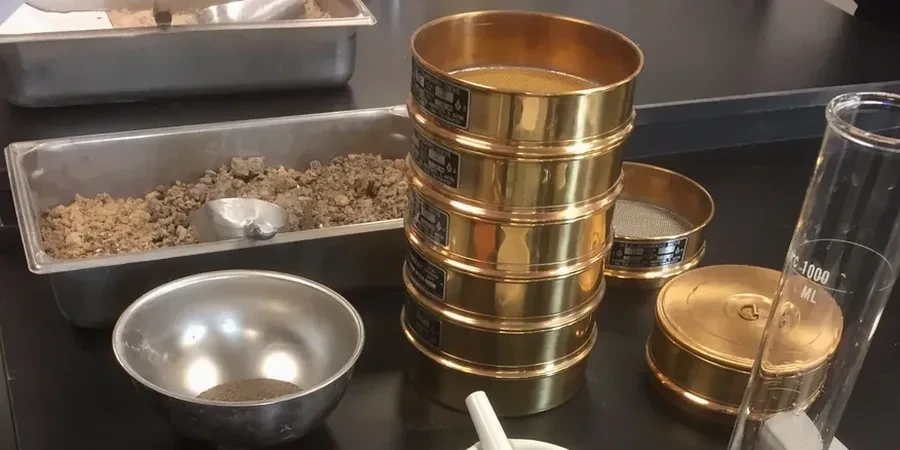
Laboratory Follow-UpGrain size analysis, Atterberg limits, moisture content
Groundwater ObservationSeepage zones, perched water table mapping
Backfill Compaction VerificationNuclear densometer or sand cone method

Common questions

What is the typical cost for an exploratory test pit in Richmond Hill?

For a standard investigation involving one or two pits with depths up to 3 meters, costs generally range from CA$630 to CA$1,060. The final figure depends on access constraints, the need for traffic control on busier streets like Major Mackenzie Drive, and the volume of laboratory testing on samples recovered.

How do you ensure safety during excavation in urban areas?

Safety is managed through a combination of pre-excavation utility locates and strict adherence to OHSA Regulation 213/91. Depending on soil stability, we employ trench boxes, hydraulic shoring, or cut back the walls to a 1:1 slope. A competent worker is always stationed at the surface, and the excavation is continuously monitored for any sign of instability.

Can an exploratory test pit help identify groundwater problems?

Absolutely. One of the key advantages is observing seepage zones and the exact depth of a perched water table within the layered soils of the Oak Ridges Moraine. This visual evidence of moisture inflow is far more telling than a piezometer reading alone, helping to properly size foundation drains and waterproofing systems.

How long does it take to get results from a test pit program?

The field work for a typical residential lot is usually completed in a single day. We provide a preliminary verbal summary of our observations immediately on site. The formal geotechnical report, incorporating lab test results from recovered samples, is generally delivered within five to seven business days following the field work.

Location and service area

We serve projects in Richmond Hill and surrounding areas.

View larger map